
Dark Factory
The proof surface behind Explore
Explore is the product. Dark Factory is the operating model and proof surface behind it: humans scope the job, agents carry more of the execution, and visible evidence decides whether the work should be trusted.
This page is for the delivery proof: scoped intent, validation, run logs, and live status surfaces that strengthen trust in the product without replacing the product story.
Want the product story first? Read /about. Ready to try Explore? Open /agent-setup.
Software Dark Factory is now the commercial home for the agentic engineering governance model proven while building Explore.
Scoped by humans
The job, checks, and boundaries are defined up front.
Executed by agents
Agents carry the implementation work inside that scope.
Trusted through evidence
Run logs, verification, and status surfaces show what happened.
How to read this page
Start with Explore as the product, then use this page to inspect how it is shipped: a human scopes the change, agents execute it, and the repository keeps the proof attached.
The goal is faster trust in shipped work and a clearer product story, not theory about automation.
Visible proof, not just claims
A real delivery trail
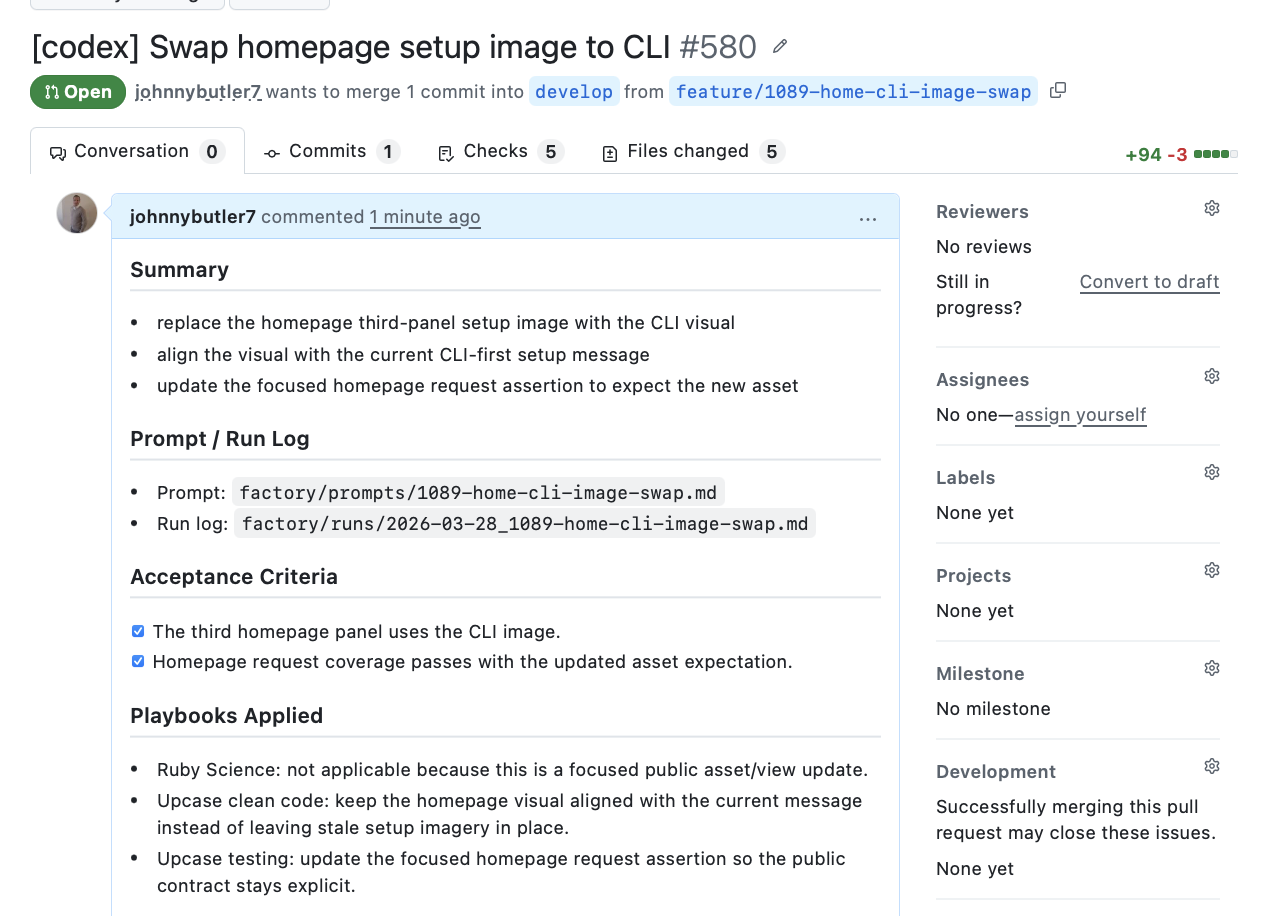
The strongest claim on this page is simple: the repo exposes the delivery trail around the code, not just the code itself.
PR trail
Each substantive change carries its scope and checks with it.
Prompt, acceptance criteria, and run log stay attached to the PR.
Product proof
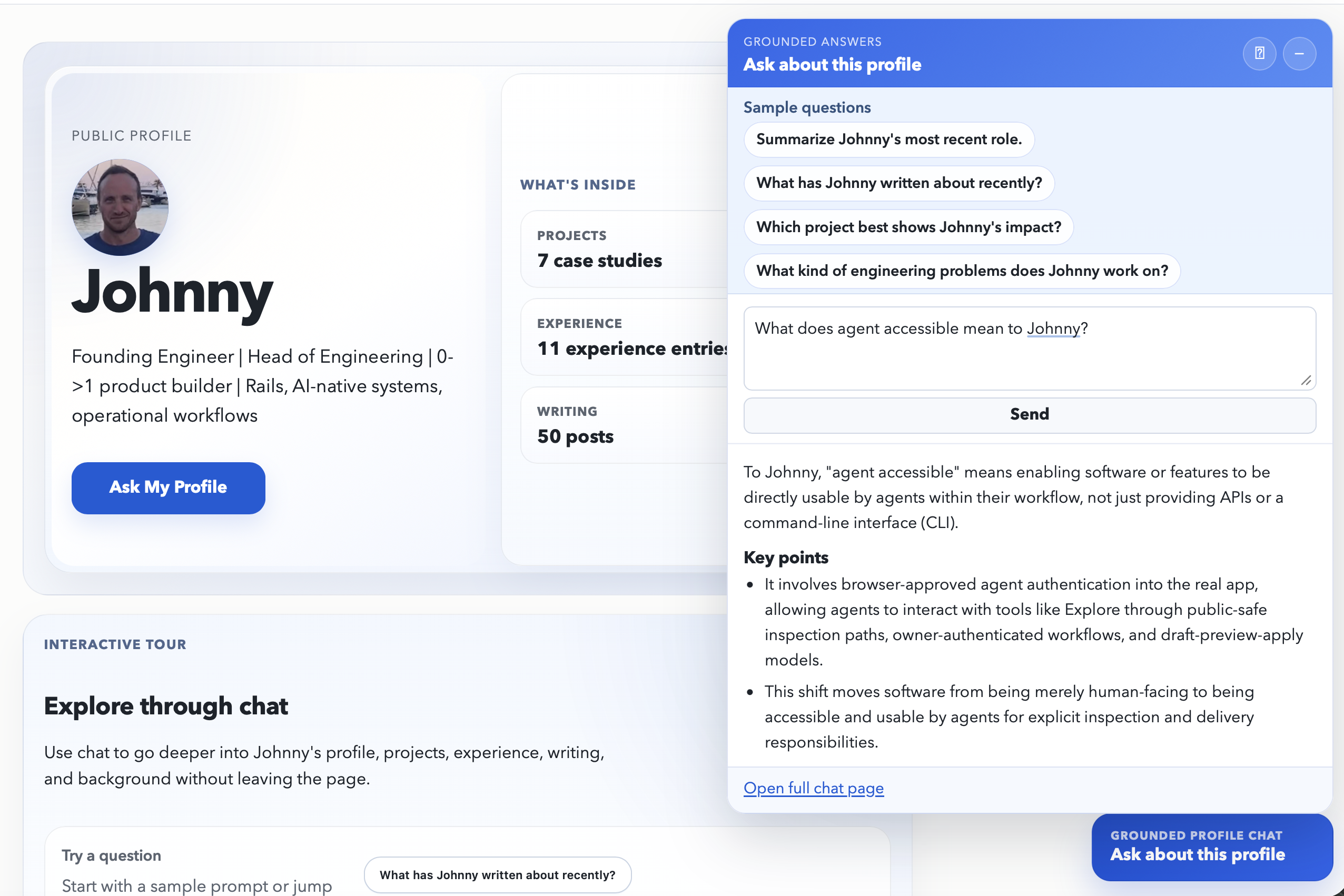
The operating story stays anchored in the product people can use.
Explore keeps the useful positioning while the old internal dashboard machinery is cleared for a cleaner SDF front door.
Operating model
What Dark Factory Means Here
In practical terms, humans define the job, the boundaries, and what done means. Agents carry more of the implementation work inside those boundaries and iterate until the harness is green.
The point is not magic and it is not the removal of judgment. It is moving judgment up the stack, then making trust depend on visible validation and artefacts instead of diff heroics.
Supporting evidence
More visible artefacts
Verification
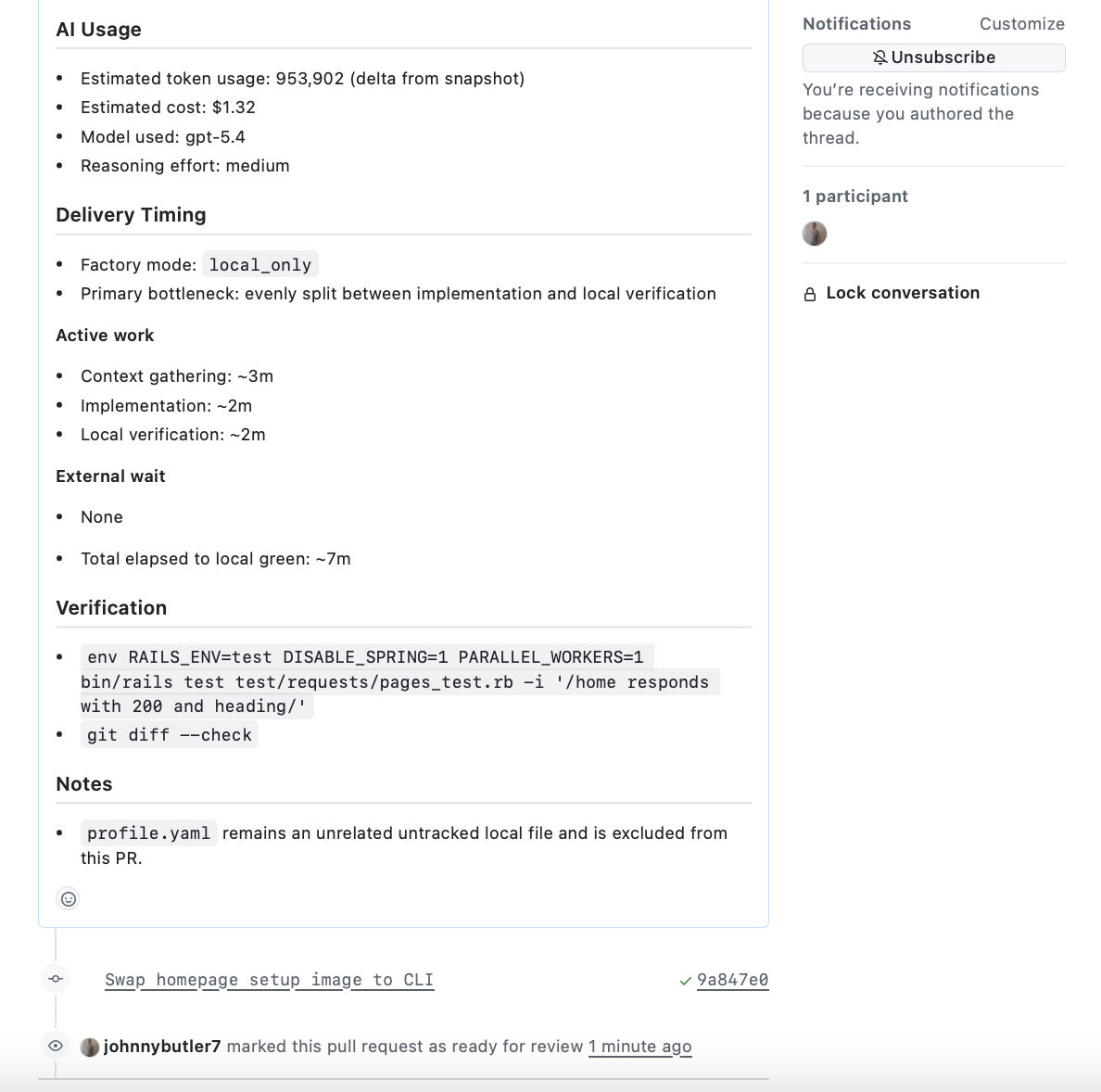
Usage, timing, and checks stay with the slice.
Execution evidence includes the key checks, timing, and operating signals behind the result.
Clean handoff
The stale dashboard and factory evidence paths have been removed.
The next SDF Front Door install can define its own supported operational surface without inheriting broken compatibility wrappers.
Why this matters
Trust should come from evidence, not reconstruction.
In too many teams, the pull request becomes the first place a change is fully explained. That is too late. A better delivery model makes the work legible before implementation starts and keeps the proof attached as it moves toward production.
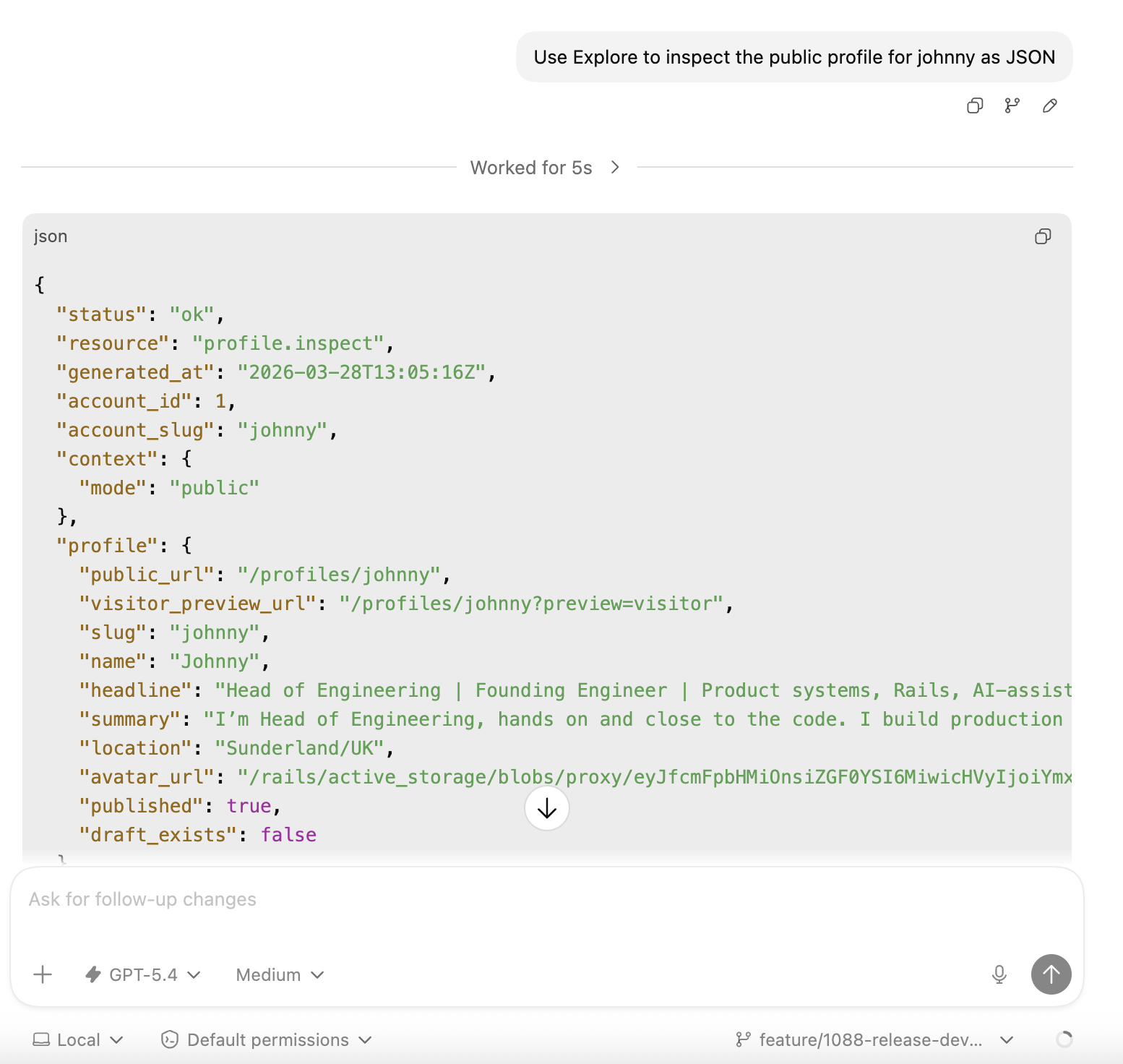
That gets stronger when the product is agent-friendly too: clearer state, grounded surfaces, and public pages like the Agents page that are readable by both people and tools.
Category framing
Why this category is emerging now
As AI increases software output, teams are starting to feel new bottlenecks in review, trust, governance, and architectural consistency. Some tools attack symptoms like PR bottlenecks, drift detection, or AI governance in isolation. Dark Factory is aimed at the operating layer underneath them: scoped intent, governed execution, validation evidence, and reusable operating knowledge.
The problem is no longer generation alone. It is shipping change safely, repeatedly, and with enough context to trust what happens next.
Next steps